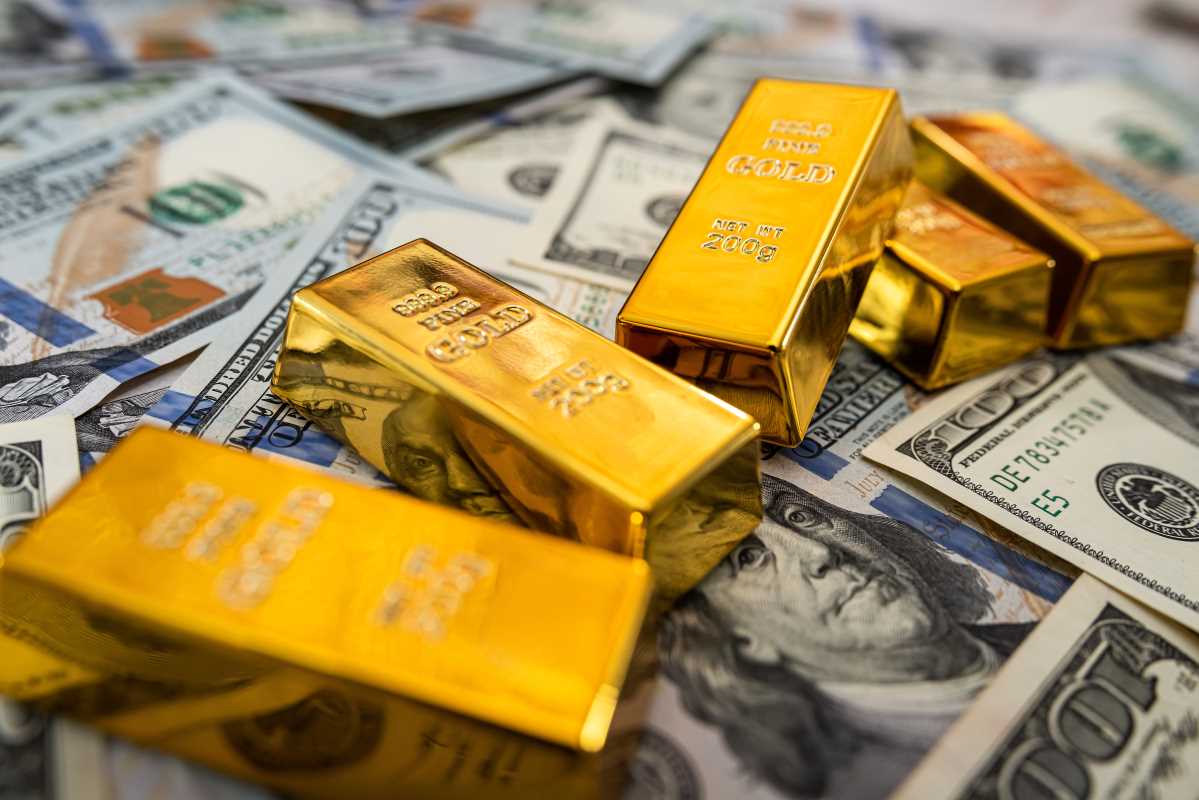
For thousands of years, long before stocks, bonds, or digital currencies ever existed, humans have been fascinated by precious metals. Gold, silver, and platinum have been used to create currency, craft jewelry, and signify wealth across countless civilizations. There's something tangible and timeless about holding a piece of solid gold or silver that just feels different from looking at numbers on a screen. In the modern world of investing, this ancient appeal is still very much alive. During times of economic turmoil, when stock markets are shaky and the value of money seems uncertain, many people turn to precious metals as a financial safety net, a real asset that can help protect their wealth from the unexpected.
What Are Precious Metals and Why Do They Have Value?
Precious metals are rare, naturally occurring metallic elements that have high economic value. The most well-known are gold, silver, platinum, and palladium. Unlike paper money, which can be printed in unlimited quantities by governments, the supply of precious metals is finite. You can't just create more gold. This scarcity is a key reason why they have been considered a reliable store of value for centuries. Their value isn't tied to the profits of a single company or the promises of a government; it's based on their rarity, their physical properties, and thousands of years of human history viewing them as something intrinsically valuable.
Diversifying Your Portfolio with a Different Kind of Asset
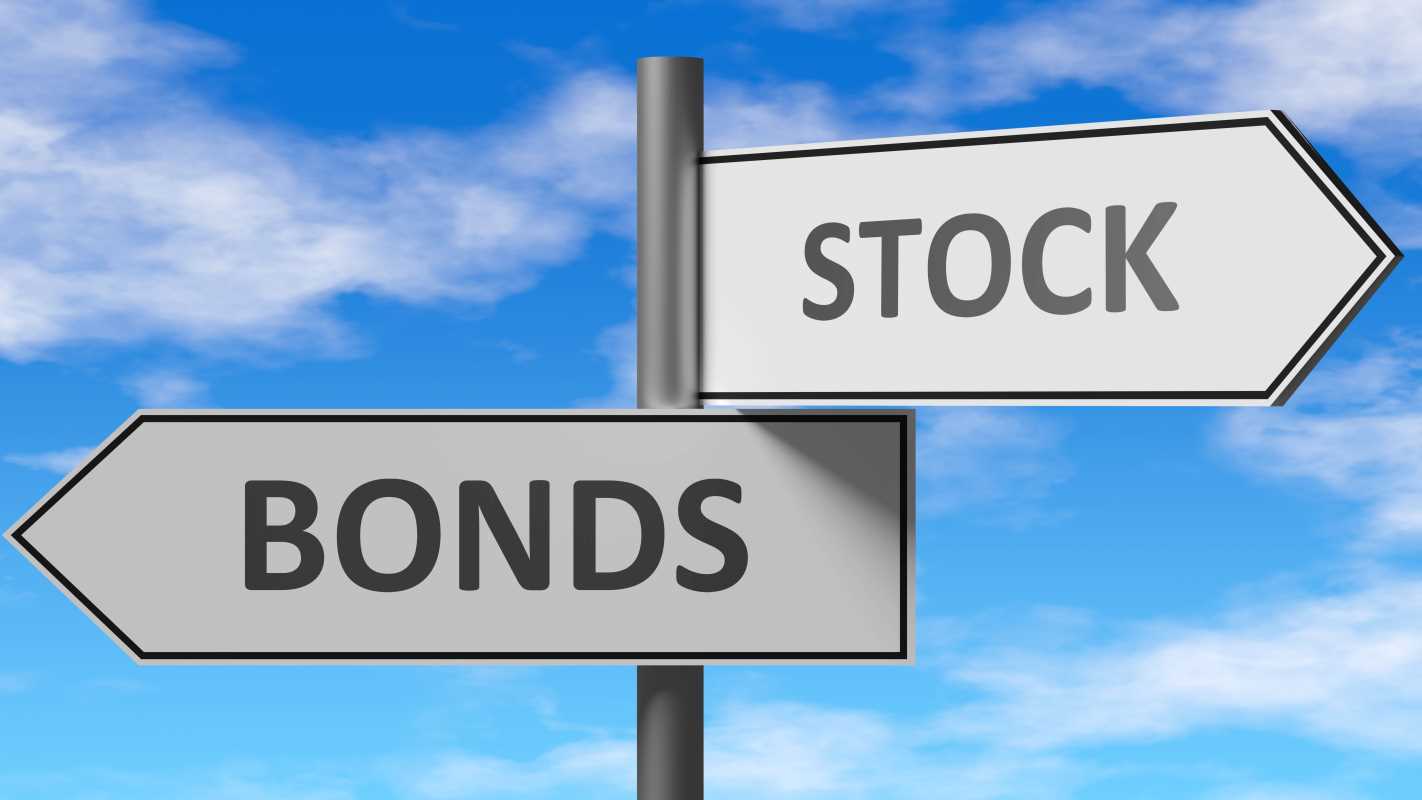
A core principle of smart investing is diversification, which means not putting all your eggs in one basket. Most investors build portfolios with a mix of stocks and bonds. Precious metals offer a way to diversify even further because they often move independently of traditional financial assets. When the stock market is doing poorly, the price of gold might be going up as investors seek a safe haven. By adding a small allocation of precious metals to your portfolio, you are introducing an asset that marches to the beat of a different drum. This can help smooth out your overall returns and provide a cushion during periods of market stress.
A Hedge Against Inflation and Currency Worries
One of the biggest roles precious metals play in a modern portfolio is as a hedge against inflation and currency devaluation. Inflation is the slow erosion of the purchasing power of money. When the cost of living goes up, the cash in your bank account buys less than it used to. Because precious metals are priced in U.S. dollars, their value often rises when the dollar's value falls. If people become worried that a government is printing too much money and devaluing its currency, they often trade that paper money for the tangible security of gold or silver. This can protect your wealth from being silently eaten away by rising prices.
Physical Metal vs. Paper Metal
If you decide to invest in precious metals, you have a few ways to do it. The most direct way is to buy physical metals, like gold coins or silver bars. This gives you direct ownership and control over your investment, but it also comes with the responsibility of storing it securely. Another popular option is to invest in a precious metal ETF (Exchange-Traded Fund). These are funds that trade like stocks and aim to track the price of a metal like gold. This is a very convenient and low-cost way to get exposure without having to deal with physical storage. You can also invest in the stocks of mining companies, but remember that you are then betting on the company's operational success, not just the price of the metal itself.
Risks and Limitations to Keep in Mind
While precious metals can be a great safety net, they are not a magic solution. Unlike a stock or a bond, a bar of gold doesn't produce any income. It doesn't pay a dividend or an interest payment. The only way you make money is if someone else is willing to pay you a higher price for it in the future. Their prices can also be quite volatile, and they can go through long periods of performing poorly, especially when the stock market is strong and investor confidence is high. It's an asset that shines brightest during times of fear and uncertainty, but it can be a frustrating holding when things are calm.
How to Responsibly Add Metals to Your Portfolio
For most people, precious metals should only represent a small slice of their overall investment portfolio. Financial advisors often suggest an allocation of 5% or less. This is enough to provide some diversification and hedging benefits without sacrificing the long-term growth potential of stocks. A simple way to get started is by dedicating a small portion of your investment funds to a low-cost gold or silver ETF. This approach is easy, liquid, and avoids the complexities of physical ownership. The goal is not to get rich from precious metals, but to use them as a form of portfolio insurance that can help protect you when other assets are struggling.