It’s five o'clock, and the dreaded question echoes through the house: "What's for dinner?" This daily dilemma often leads to frantic last-minute decisions, expensive takeout orders, or a desperate trip to the grocery store where you buy way more than you need. It's a cycle that drains both your energy and your bank account. But there is a simple, powerful solution that can transform this nightly chaos into calm control: meal planning. Far from being a rigid, time-consuming chore, meal planning is your secret weapon for saving money, reducing stress, and reclaiming your evenings. It’s the simple act of deciding what you’ll eat ahead of time, and it’s one of the most effective budget-saving habits you can adopt.
What is Meal Planning and Why Does It Work?
At its core, meal planning is the straightforward process of deciding what you are going to eat for a set period, whether it's for a few days or the entire week ahead. It involves choosing your recipes, making a list of the ingredients you need, and then shopping for only those items. The reason this simple act is so effective at saving money is that it eliminates impulse buys and reduces food waste. When you go to the grocery store with a specific list, you are no longer a target for clever marketing and tempting displays. You have a mission. This targeted approach prevents you from buying random ingredients that look good at the moment but end up wilting in the back of your fridge. By planning meals around ingredients you already have and using what you buy, you drastically cut down on the amount of food, and money, that ends up in the trash.
How to Get Started with Meal Planning
Getting started with meal planning doesn't have to be overwhelming. You don't need a fancy app or a color-coded binder, though you can certainly use them if you like. The easiest way to begin is to start small. Plan out just three or four dinners for the upcoming week. This gives you structure without feeling too restrictive, allowing for leftovers or a spontaneous pizza night. The first step is to take a look at your schedule for the week. Identify the busy nights where you will need a quick and easy meal and the evenings where you might have more time to cook. Next, do a quick inventory of your kitchen. Check your pantry, refrigerator, and freezer to see what ingredients you already have that you can use as a starting point for your meals. This simple act of "shopping your kitchen" first is a foundational money-saving habit.
Tips for Creating a Weekly Menu
Once you know what you have and what your week looks like, you can start building your menu. A great way to simplify this process is to use theme nights. This adds a fun structure to your planning and takes the guesswork out of what to cook. For example, you could have Meatless Monday, Taco Tuesday, Pasta Wednesday, and so on. This narrows down your choices and makes it much easier to pick a recipe. As you select your meals, think about how ingredients can overlap. If you buy a large container of sour cream for Taco Tuesday, plan another meal later in the week that also uses it, like baked potatoes. This "ingredient cross-utilization" is a pro-level trick for minimizing waste and getting the most out of every item you buy. Keep a running list of family-favorite meals that are easy to make; this gives you a go-to reference when you're feeling uninspired.
Shopping Smarter with a Plan in Hand
With your meal plan and shopping list complete, you are now ready to conquer the grocery store. Your list is your shield against the temptations of the snack aisle and the siren song of the end-cap display. The most important rule is to stick to the list. If it’s not on the list, it doesn't go in the cart. Before you head to the store, take a moment to check the weekly sales flyer. If chicken breasts are on sale, you might swap one of your planned meals for a chicken recipe to take advantage of the discount. This flexible approach allows you to combine the structure of a plan with the savings of smart shopping. Another key strategy is to avoid shopping when you're hungry. A hungry shopper is an impulsive shopper. Have a small snack before you go to ensure your decisions are guided by your list, not your stomach.
Making Meal Prep Easy and Fun
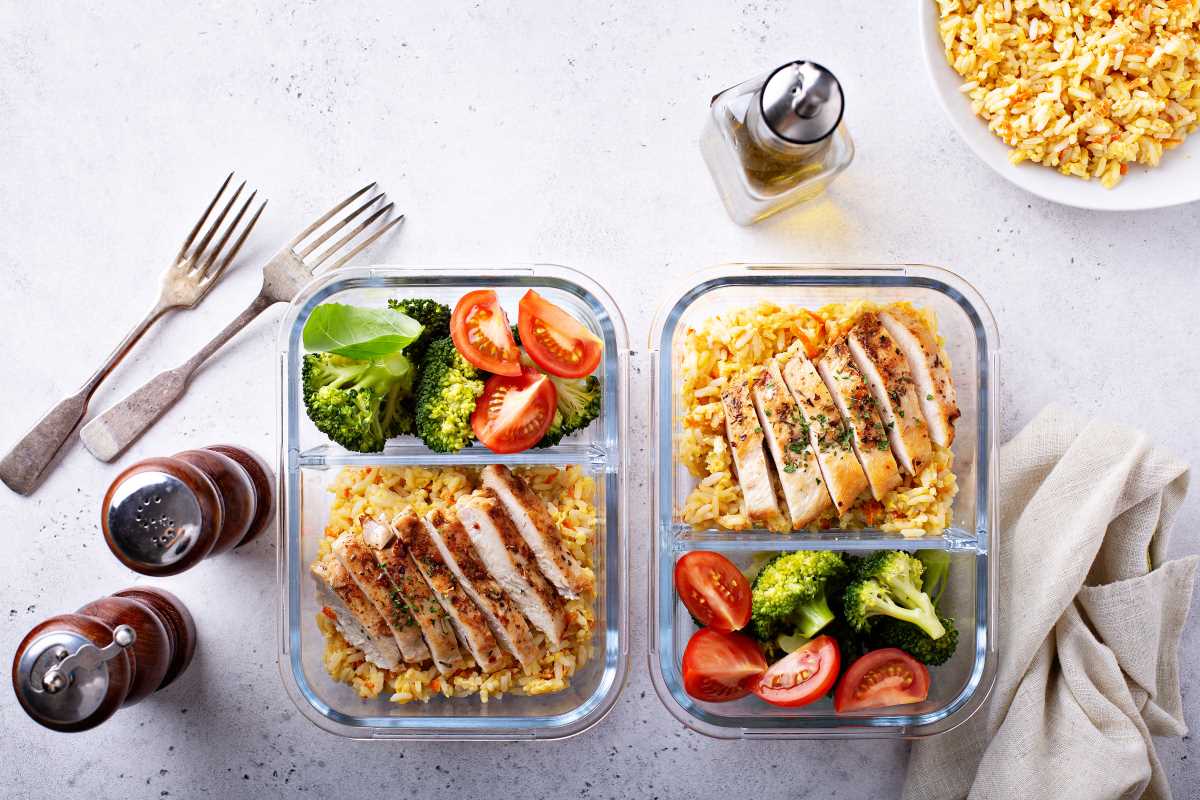
Meal planning's best friend is meal prep. This is the process of doing some of the cooking or preparation work ahead of time to make your weeknights even easier. It can be as simple or as complex as you want it to be. You could spend an hour or two on a Sunday afternoon getting ready for the week. This might involve washing and chopping vegetables, cooking a batch of rice or quinoa, or even cooking a few of your main proteins like grilling chicken or browning ground beef. Storing these prepped ingredients in clear containers in your fridge makes assembling your nightly dinners incredibly fast. For example, if you've already chopped your onions and peppers, making that stir-fry on a busy Wednesday night becomes a 15-minute task instead of a 30-minute one. Put on some music or a podcast and treat it as a relaxing ritual that sets you up for a successful and stress-free week.