 (Image via
When you think about saving money at home, you probably think about clipping coupons or turning off lights. While those are great habits, some of the most powerful savings come from the things you choose to buy and keep in your house. It might seem strange to think that spending money can save you money, but making smart, upfront investments in certain household items can lead to huge long-term savings. These items work quietly in the background, reducing your energy bills, cutting down on waste, and preventing you from having to buy disposable products over and over again. It is a strategic way of thinking that pays you back month after month, year after year.
The Power of Energy-Efficient Appliances
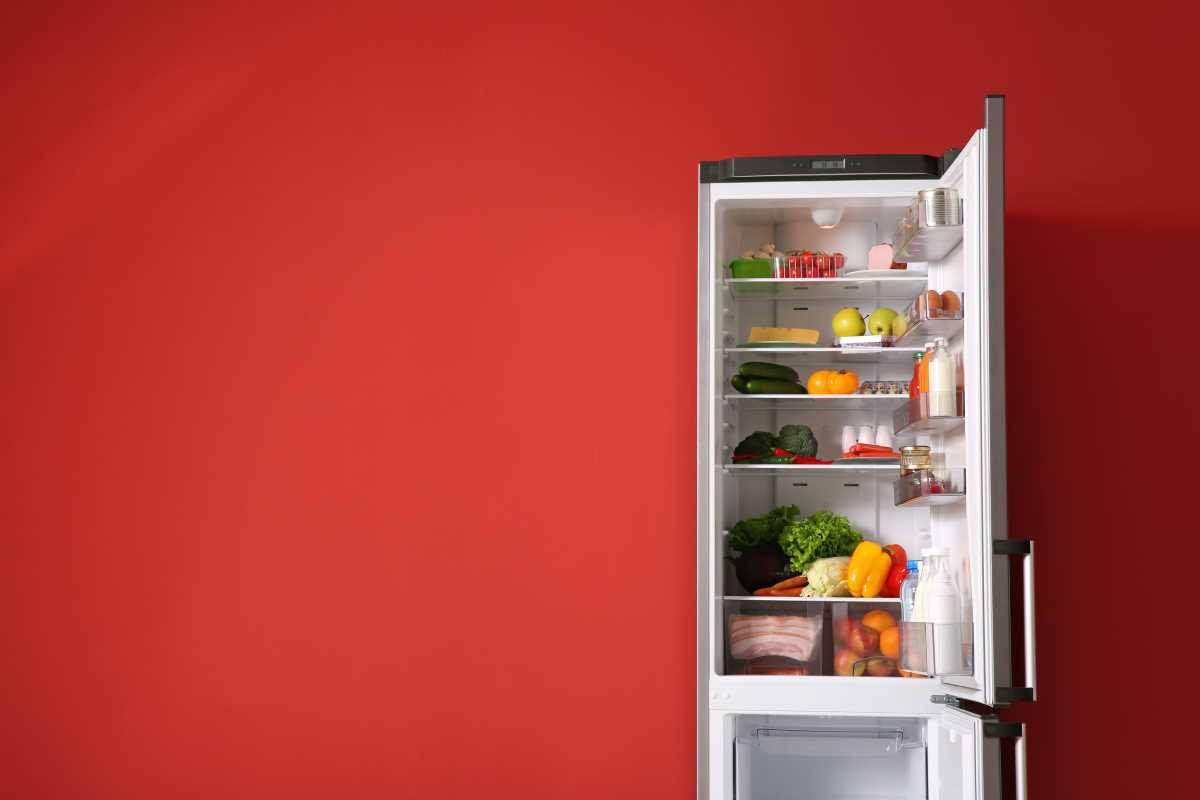
Your home appliances, like your refrigerator, dishwasher, and washing machine, are some of the hardest working items you own. They are also some of the biggest energy consumers. When it is time to replace an old appliance, it can be tempting to buy the cheapest model available. However, this is often a costly mistake in the long run. An energy-efficient appliance, especially one with an ENERGY STAR label, is designed to perform the same job using significantly less electricity or gas. While it might cost a little more to purchase initially, the savings on your monthly utility bills can be substantial. An efficient refrigerator, for example, can save you hundreds of dollars over its lifespan compared to an older, energy-guzzling model, paying back that initial investment and then some.
Reusable Alternatives to Disposable Products
Think about all the single-use items you throw away every week: paper towels, plastic wrap, coffee filters, plastic water bottles, and disposable cleaning wipes. Each of these items might seem inexpensive on its own, but the cost of constantly repurchasing them adds up to a surprisingly large amount over the course of a year. By investing in a few key reusable alternatives, you can eliminate these recurring expenses from your budget.
A set of microfiber cloths can replace endless rolls of paper towels for cleaning up spills and wiping down counters. Reusable food storage containers and silicone food covers can take the place of plastic wrap and disposable bags. A reusable water bottle and a water filter pitcher can end your need to buy bottled water, saving you a fortune and reducing plastic waste. These simple swaps require a small one-time purchase but can save you hundreds of dollars in the long run.
Water-Saving Devices for Your Home
Water is another utility where a small investment can lead to big savings. Much of the water you pay for literally goes down the drain. By installing a few inexpensive water-saving devices, you can cut your consumption without even noticing a difference. A low-flow showerhead is a perfect example. These modern fixtures reduce the amount of water used per minute while maintaining a strong, satisfying pressure. This not only saves water but also reduces the amount of energy needed to heat that water, saving you money on two different utility bills.
Similarly, installing simple aerators on your kitchen and bathroom faucets is an easy and cheap DIY project that mixes air into the water stream. This reduces water flow without impacting its effectiveness for washing hands or dishes. These small, inexpensive items pay for themselves very quickly through lower water bills.
Essential Tools for DIY Repairs
A leaky faucet, a loose cabinet handle, or a small hole in the wall can be minor annoyances that turn into expensive problems if you have to call a professional for every little thing. Owning a basic toolkit and learning how to perform simple home repairs is one of the most empowering ways to save money. You do not need a professional-grade workshop; a solid starter kit with a hammer, screwdrivers, a wrench, pliers, and a tape measure can handle a huge variety of common household tasks.
By investing in these tools, you are investing in self-reliance. Instead of paying a plumber a high fee to replace a washer in a leaky faucet, you can do it yourself in minutes for pennies. The internet is filled with free video tutorials that can walk you through almost any basic repair. The cost of a good toolkit is quickly recouped after you avoid just one or two professional service calls.
Smart Home Technology That Saves
Smart home technology often seems like a futuristic luxury, but many of these devices are designed with efficiency and savings in mind. A smart thermostat is one of the most effective money-saving gadgets you can install. These devices learn your daily routines and automatically adjust the temperature, ensuring you are not wasting energy heating or cooling an empty house. You can also control them from your phone, allowing you to make adjustments on the fly. The energy savings from a smart thermostat can be so significant that it often pays for itself within a year or two.
Another useful gadget is a smart power strip. Many of your electronics continue to draw "phantom power" even when they are turned off. A smart power strip allows you to completely cut power to these devices with a single command from your phone or by setting a schedule, eliminating this wasteful energy drain without you having to run around unplugging everything.