The idea of stuffing cash into physical envelopes to manage your money might sound like something your grandparents did. In a world of credit cards, mobile payments, and online shopping, a cash-only system can feel outdated and impractical. However, the core principle behind envelope budgeting is more powerful and relevant than ever. It is a simple, visual, and incredibly effective way to control your spending and tell your money where to go. The great news is that you do not have to give up your debit card to make it work. By adapting this classic method for our modern, digital lives, you can gain amazing financial clarity without carrying around a stack of cash-filled envelopes.
What is Envelope Budgeting?
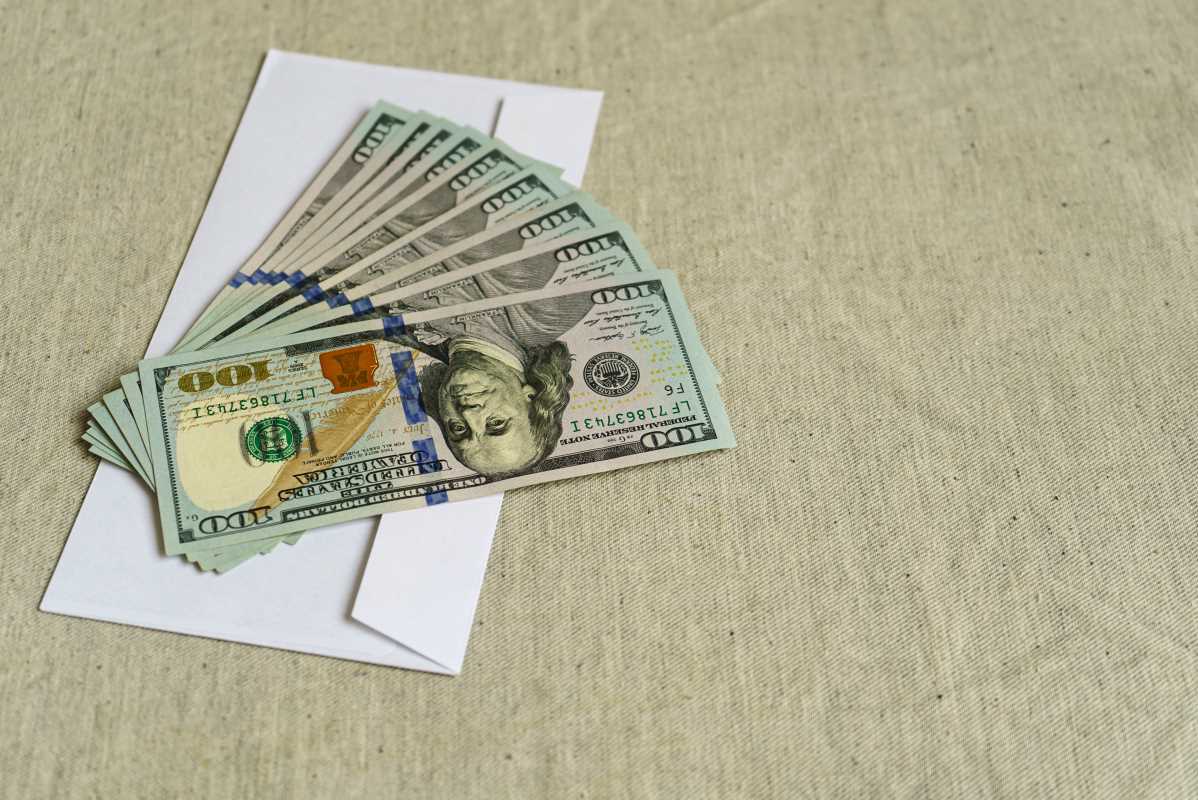
At its heart, envelope budgeting is a system for managing your variable expenses, which are the costs that change from month to month, like groceries, entertainment, and gas. The traditional method is straightforward. After you have paid your fixed bills like rent and utilities, you withdraw the rest of your spending money in cash. You then divide that cash into physical envelopes, each labeled with a specific spending category. For the rest of the month, you only spend the cash from the designated envelope for that category. When the "Restaurant" envelope is empty, you are done eating out until next month. This physical limit makes it impossible to overspend.
Taking the Envelopes Digital
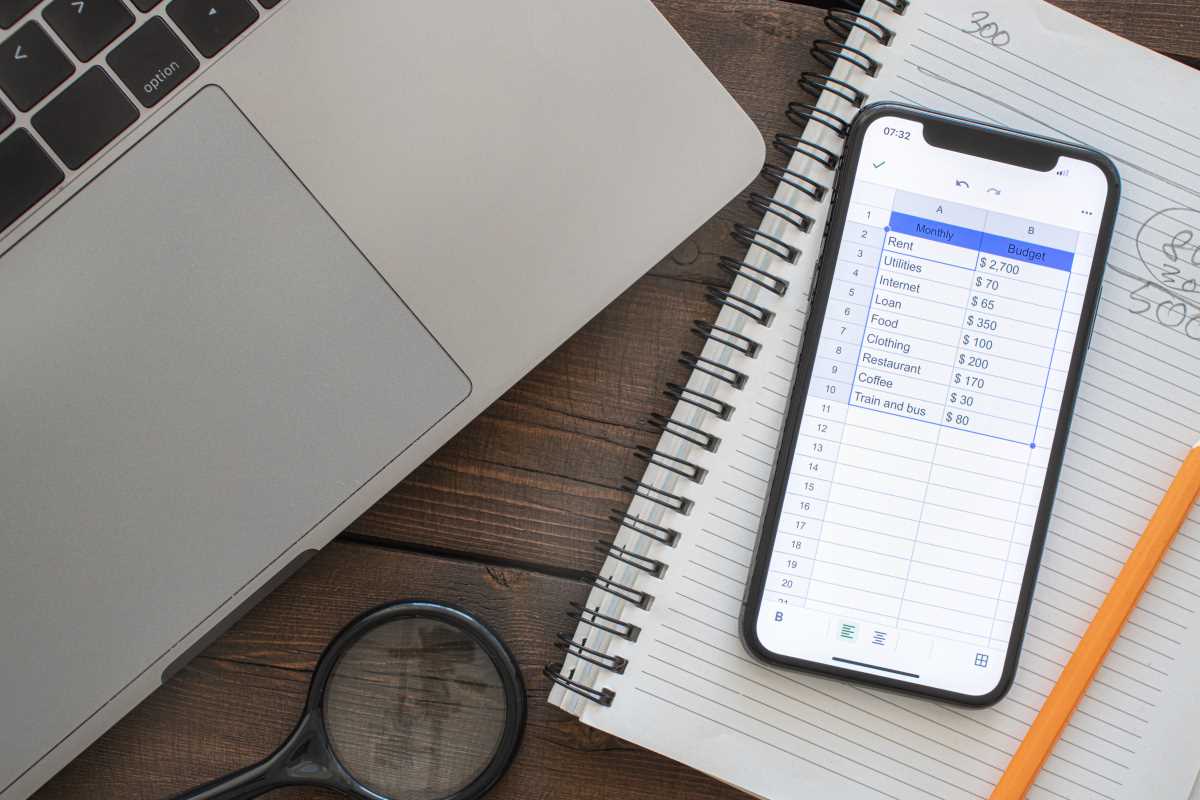
You can capture the power of the envelope system without ever touching a dollar bill. The key is to create "digital envelopes" instead of physical ones. One way to do this is by using a budgeting app that is specifically designed for this method. These apps allow you to create virtual envelopes, allocate funds to them, and then track your spending from your linked bank accounts. Every time you buy groceries with your debit card, the app automatically deducts that amount from your "Groceries" envelope. Another approach is to use multiple savings accounts at an online bank. You can open several fee-free accounts and nickname them "Groceries," "Fun Money," and "Gas." After paying bills, you transfer your budgeted amounts into each respective account and spend only from that account for that category.
The Benefits of a Virtual Envelope System
The main benefit of this system, whether physical or digital, is the incredible awareness it brings to your spending. It forces you to be intentional with every dollar. When you can visually see your "Shopping" fund getting low, you are much less likely to make an impulse purchase. This method breaks the cycle of swiping a card and hoping you have enough money. It gives you clear boundaries and complete control over your discretionary spending. It also simplifies your financial life by pre-allocating your funds, which removes the stress and guesswork from day-to-day financial decisions. Knowing exactly how much you have left to spend in each category brings a sense of peace and confidence.
Overcoming Common Challenges
One common challenge with digital envelope budgeting is the temptation to simply move money from one envelope to another when you overspend. To overcome this, you need to treat your digital envelopes with the same discipline as physical ones. When an envelope is empty, it is empty. Another challenge can be tracking spending between partners or family members. Using a shared budgeting app where everyone can see the envelope balances in real-time is the best solution for this. It keeps everyone on the same page and working toward the same financial goals. It takes a bit of commitment at the beginning, but once the habit is formed, it becomes second nature.
Tips for Getting Started
Getting started with digital envelope budgeting is easy. First, track your spending for a month to get a realistic idea of where your money is going. This will help you set reasonable budget amounts for each category. Next, choose your method. Decide whether you want to use a specific budgeting app or the multiple savings account strategy. Then, create your envelopes for all your key variable spending categories. Do not forget to create an envelope for miscellaneous or unexpected expenses. Start by funding your envelopes at the beginning of each pay period. Be patient with yourself as you adjust to the new system. It might take a month or two to work out the kinks and find the right budget amounts for your lifestyle.