Have you ever watched the stock market and felt a sense of paralysis? Prices go up, and you worry you’re buying at the top. Prices go down, and you’re afraid they will fall even further. This constant struggle to find the "perfect" time to invest can be stressful, and it often leads to doing nothing at all. But what if there was a strategy that removed the guesswork and took the emotion out of the equation? This is the simple power of dollar cost averaging. It's an automatic, disciplined approach that turns market volatility from a source of anxiety into a potential advantage, helping you build wealth steadily over time without the pressure of trying to time the market.
What is Dollar Cost Averaging?
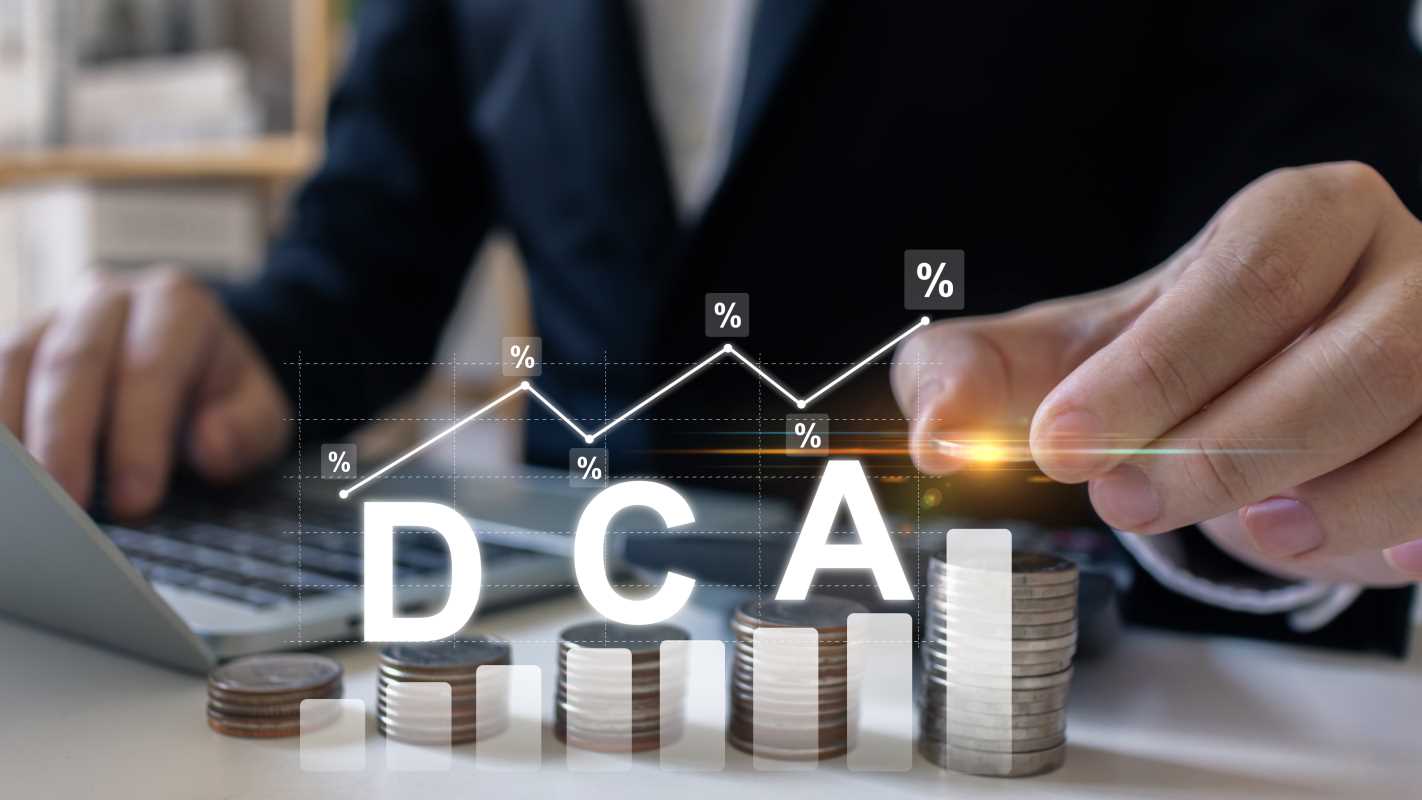
In plain English, dollar cost averaging, or DCA, is the practice of investing a fixed amount of money into a particular investment at regular intervals, regardless of what the price is doing. Instead of trying to invest a large lump sum all at once, you break it up into smaller, consistent contributions. For example, you might decide to automatically invest $100 into an index fund on the first day of every month. Sometimes your $100 will buy fewer shares when the price is high, and other times it will buy more shares when the price is low. Over time, this strategy helps smooth out your average purchase price.
Taking Emotion Out of the Equation
The biggest benefit of dollar cost averaging is behavioral. Humans are emotional creatures, and our two biggest investment enemies are often fear and greed. Greed tempts us to pile all our money in when the market is soaring, and fear convinces us to sell everything when the market is plunging. DCA acts as an automatic defense against these destructive impulses. By committing to a regular, automated investment schedule, you take your decision-making self out of the picture. You are no longer trying to outsmart the market; you are simply executing a disciplined plan, which is a far more reliable path to long-term success.
Why Steady Contributions Matter
The stock market has always been volatile. History shows us that while the long-term trend is upward, the path is filled with bumps, dips, and corrections. Trying to navigate these short-term movements is nearly impossible. Dollar cost averaging thrives in this environment. By investing consistently, you ensure that you are buying shares through all parts of the market cycle. This discipline is crucial because some of the market's best days often happen right after some of its worst. Investors who try to time the market often miss these powerful rebounds, while the dollar cost averager is already invested and benefits from the recovery.
DCA vs. Lump-Sum Investing
A common question is whether it's better to invest a large sum of money all at once (lump-sum) or to spread it out using dollar cost averaging. Academically, studies show that because the market tends to go up over time, lump-sum investing has historically resulted in higher returns about two-thirds of the time. However, this comes with a big "if": you have to be willing to stomach the risk that you might invest your entire sum right before a major market downturn. DCA, on the other hand, reduces this timing risk. It might lead to slightly lower returns if the market rises steadily, but it provides significant peace of mind and prevents the regret of a poorly timed large investment.
Where to Use Dollar Cost Averaging
Dollar cost averaging is a perfect strategy for long-term investment goals and works beautifully with certain types of investments. It is ideally suited for building positions in broadly diversified index funds and ETFs, where the goal is to capture the growth of the overall market. It is also the default method used in workplace retirement accounts like 401(k)s, where a portion of your paycheck is automatically invested with every pay period. This consistent, automated process is one of the main reasons these accounts are so effective at building wealth over a career.
Setting Your Schedule and Amount
The key to a successful DCA plan is consistency. The best way to achieve this is to align your investment schedule with your paychecks. Decide on an amount that comfortably fits within your budget. It doesn't have to be a huge sum; even a small, regular investment can grow into a substantial amount over time thanks to the power of compounding. Setting up an automatic transfer from your checking account to your investment account on payday ensures that you "pay yourself first" before the money can be spent on other things.
The Mechanics of Automation
Most modern brokerage firms make it incredibly easy to set up a dollar cost averaging plan. You can typically set up an automatic investment plan in just a few minutes. You simply choose the investment you want to buy, the amount of money you want to invest, and the frequency, such as weekly, bi-weekly, or monthly. Many plans also allow you to automatically reinvest any dividends you receive. This means that the cash payments from your investments are used to buy even more shares, further accelerating the compounding process and putting your wealth-building on complete autopilot.
How Down Markets Can Help You
This may sound counterintuitive, but for a long-term investor using dollar cost averaging, market downturns can actually be beneficial. Remember, your fixed dollar amount buys more shares when prices are low. When the market is down, and everyone else is panicking, your automatic investment is busy scooping up shares "on sale." This lowers your average cost per share over time. When the market eventually recovers, you will own more shares that can participate in the rebound, which can significantly enhance your long-term returns. It’s a strategy that helps you take advantage of pessimism.
Risks and Limitations to Consider
While DCA is a powerful strategy, it's not without its limitations. The primary one is opportunity cost. If the market experiences a strong and steady rise, you would have been better off investing your money as a lump sum at the beginning. By spreading out your investments, you miss out on some of the early gains. Another consideration is transaction fees. If your brokerage charges a fee for every trade, making many small, frequent investments could become costly. However, most major brokerage firms now offer commission-free trading for stocks and ETFs, which has largely eliminated this concern.
Building Your Personal DCA Plan
Creating your own dollar cost averaging plan is straightforward. First, define your long-term financial goal, such as retirement. Second, open the right kind of investment account, like a Roth IRA. Third, choose a low-cost, broadly diversified investment, like a total stock market index fund. Fourth, decide on a realistic amount and schedule for your automatic contributions. Finally, set a cadence for reviewing your plan, perhaps once a year, just to make sure it's still aligned with your goals. There is no need for constant monitoring.
A Step-by-Step Path to Get Started
You can begin your dollar cost averaging journey today. The first step is to open an investment account with a reputable, low-cost brokerage firm. The second step is to link your bank account and set up a recurring transfer. The third step is to choose your investment and schedule your automatic purchases. To track your progress, you can create a simple spreadsheet. Make columns for the date, the amount invested, the price per share, and the number of shares purchased. Over time, you will be able to see your position growing and watch your average cost per share change, giving you a tangible record of your disciplined approach to building wealth.