 (Image via
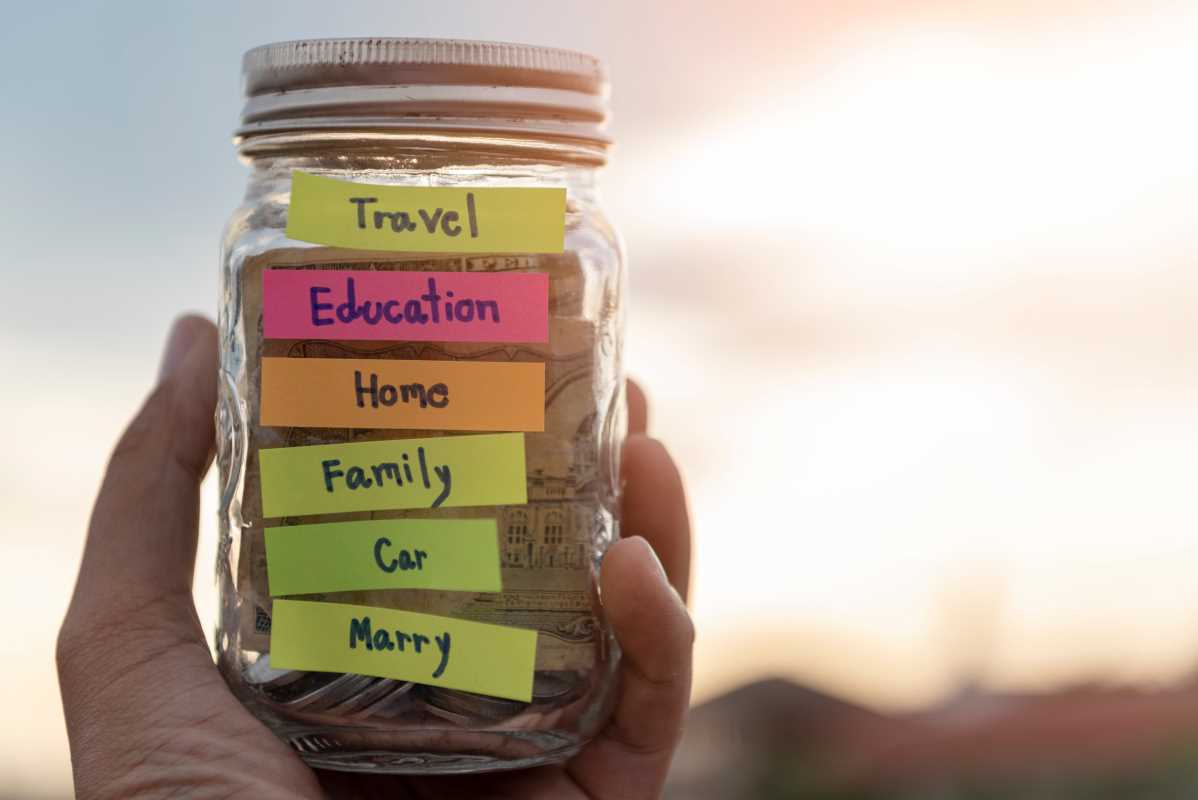
Saving money can sound like a big, serious project. You might picture complicated budgets, extreme couponing, or giving up everything you enjoy. But what if the secret to a healthier bank account is not about making huge sacrifices, but about adopting small, simple habits? The most powerful way to save is to build money-saving actions into your daily routine until they become second nature. These habits work quietly in the background, adding up to significant savings over time without you even feeling like you are trying. It is about making smarter choices, not harder ones, and integrating them so seamlessly into your life that you save money naturally.
The Financial Power of Home Cooking
One of the biggest drains on any budget is eating out. A daily coffee, a quick lunch, or frequent dinner deliveries add up much faster than you think. The single most effective habit you can build to save money is to cook more of your meals at home. This does not mean you have to become a gourmet chef overnight. Start small by committing to packing your lunch for work or school a few days a week. Learn a few simple, delicious recipes that you can make in batches. Cooking a large pot of chili or pasta sauce on a Sunday can provide several easy meals for the week ahead. Brewing your coffee at home instead of buying it can save you over a thousand dollars a year. It is a simple switch that has a massive financial impact.
Using Energy and Water Wisely
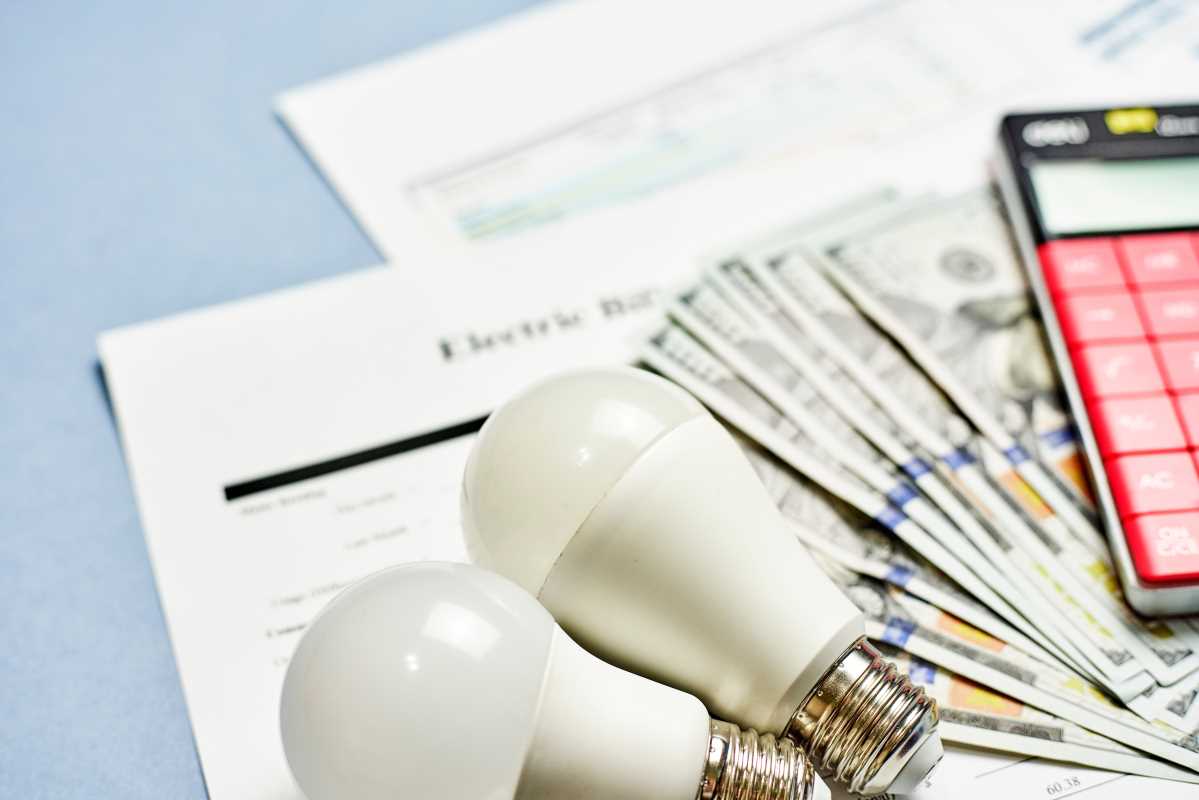
Your utility bills are a recurring expense where small habit changes can lead to noticeable savings. You do not need to sit in the dark to save electricity. Simply get into the habit of turning off lights whenever you leave a room. Unplug electronics and chargers when they are not in use, as many of them draw "phantom power" even when turned off. When it comes to heating and cooling, a small adjustment on the thermostat can make a big difference. Putting on a sweater instead of cranking up the heat is a habit that directly lowers your bill. Similarly, be mindful of your water usage. Shortening your shower by just a couple of minutes and making sure to turn off the tap while you brush your teeth are tiny actions that conserve a surprising amount of water and money over time.
Becoming a Smarter Shopper
Saving money on shopping is not just about finding sales; it is about changing your mindset. A crucial habit is to always shop with a list. Whether you are at the grocery store or the mall, a list keeps you focused on what you actually need and helps you resist the temptation of impulse buys. Another powerful habit is to implement a "waiting period" for non-essential purchases. If you see something you want, instead of buying it immediately, give yourself 24 or 48 hours to think about it. More often than not, the initial urge will pass, and you will realize you did not really need it. This simple pause is a powerful defense against unplanned spending.
Reduce Waste, Save Money
Every time you throw something away, you are essentially throwing away money. By adopting a habit of reducing waste, you will naturally save. Before you throw out food, think if it can be used in another way. Leftover vegetables can be used to make a soup or a stir-fry. Instead of using disposable paper towels for every spill, switch to reusable cloth towels. This habit saves you from constantly having to buy more paper products. This mindset extends beyond the kitchen. Before you replace something that is broken, see if it can be repaired. A quick search online can often provide a simple fix for a torn piece of clothing or a wobbly chair, saving you the cost of a replacement.
Make the Most of Free Entertainment
Having fun does not have to be expensive. One of the best money-saving habits is to actively seek out free or low-cost entertainment options. Your local library is a treasure trove of free entertainment, offering not just books but also movies, music, and even passes to local museums. Instead of going out for expensive dinners or events with friends, suggest a potluck, a game night at home, or exploring a local park or hiking trail. There are often free community events, concerts in the park, and festivals happening, especially in the warmer months. Getting into the habit of checking local event listings before making plans can open up a world of fun that does not cost a thing.