Your car is your ticket to freedom, getting you to school, work, and weekend adventures. But that freedom comes with responsibility, and car maintenance can feel like a mysterious and expensive chore. When you hear strange noises or see a warning light flash on the dashboard, it is easy to imagine your wallet emptying out at the repair shop. The truth is, ignoring your car’s needs is the most expensive thing you can do. Regular maintenance is the secret to avoiding massive, unexpected repair bills down the road. The great news is that you do not need to be a professional mechanic or have a huge budget to keep your car running smoothly and safely.
Why Regular Maintenance is a Money-Saver
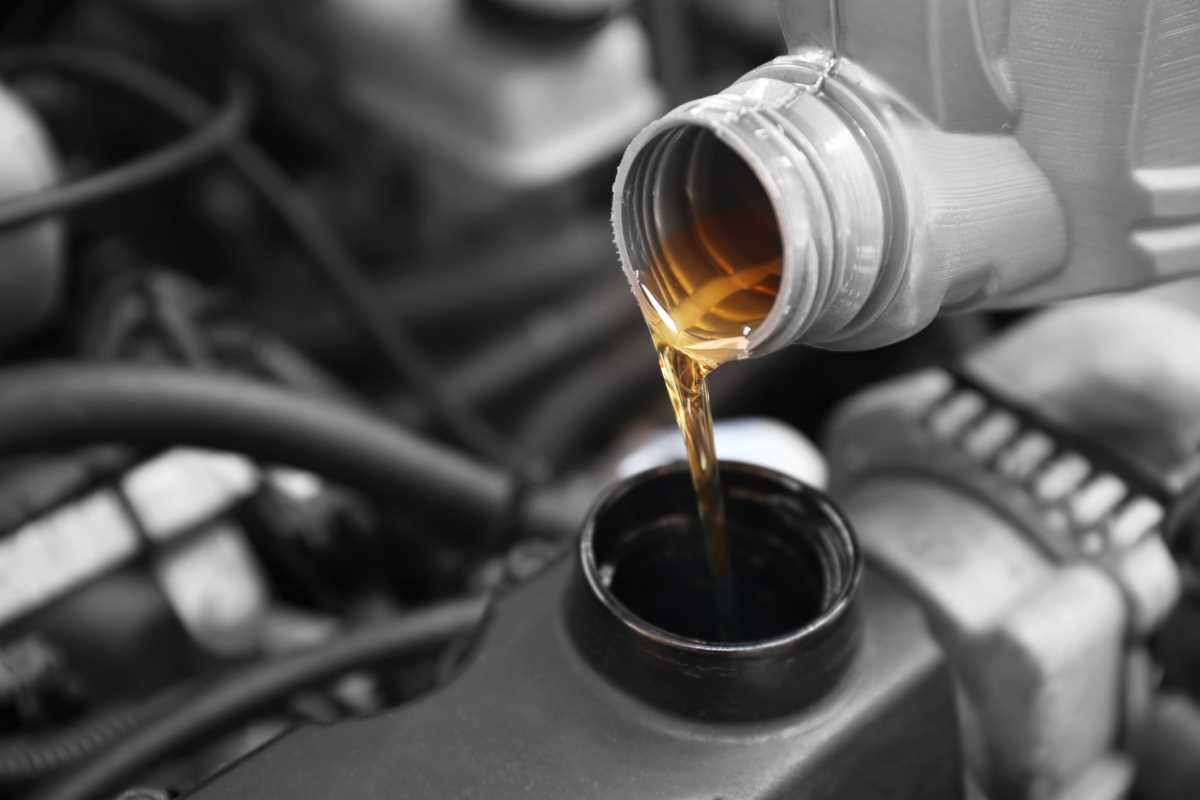
Think of car maintenance like a regular check-up at the doctor. It is all about prevention. Taking care of small tasks on a schedule helps you catch minor issues before they turn into major, costly breakdowns. For example, a simple oil change costs a fraction of what it would to repair an engine that seized up from running on old, dirty oil. Similarly, rotating your tires regularly helps them wear evenly, extending their life so you do not have to buy a new set as often. This proactive approach not only saves you a lot of money but also keeps your car safer and more reliable, giving you peace of mind every time you get behind the wheel.
Easy DIY Tasks Anyone Can Handle
You might be surprised by how much basic car maintenance you can do yourself, even with no prior experience. These simple tasks can save you the labor costs of a mechanic and help you feel more connected to your vehicle. Checking your tire pressure is a great place to start. All you need is an inexpensive tire gauge. Properly inflated tires improve your gas mileage and prevent uneven wear. You can also easily check your car's essential fluids, including engine oil, coolant, and windshield washer fluid. Your car’s owner’s manual will show you exactly where to find the dipsticks and reservoirs and what the proper levels should be. Topping off your washer fluid is a simple pour, and learning to change your own windshield wipers can save you a quick trip to the shop.
Finding an Affordable and Trustworthy Mechanic
For the bigger jobs that you cannot handle yourself, having a good, honest mechanic is essential. The key is to find one before you are in an emergency situation. Do not wait until your car breaks down on the side of the road. Ask friends, family, and coworkers for recommendations for independent repair shops in your area. Independent mechanics often have lower overhead costs than dealership service centers, which can translate into more affordable labor rates. Once you have a few names, check their online reviews. When you find a shop you think you can trust, take your car in for a simple service like an oil change. This gives you a chance to interact with them and get a feel for their customer service and pricing on a low-stakes repair.
How to Save on Parts and Supplies
Whether you are doing the work yourself or just trying to lower the cost of a professional repair, saving money on parts and supplies can make a big difference. If you are handling a DIY task like changing your air filter or spark plugs, you can often find the parts you need for less at an auto parts store or online compared to buying them directly from a mechanic or dealership. Always make sure you are buying the correct part for your car’s specific make, model, and year. For professional repairs, do not be afraid to ask your mechanic if they are willing to install parts that you supply yourself. Some shops will agree to this, which can save you from paying the markup they typically add to the parts they source.
Simple Habits to Extend Your Car’s Life
How you drive every day has a huge impact on your car's longevity and maintenance needs. A few simple adjustments to your driving habits can reduce wear and tear, keeping your car out of the shop and saving you money. Avoid aggressive driving, which means no sudden starts, hard braking, or sharp turns. This style of driving puts extra stress on your engine, transmission, brakes, and suspension. Try to lighten your car's load by removing any heavy, unnecessary items from your trunk or back seat. The extra weight makes your engine work harder and reduces your fuel efficiency. Finally, do not ignore warning lights on your dashboard. They are your car's way of telling you something is wrong. Addressing the issue promptly can often prevent a small problem from becoming a catastrophic and expensive failure.