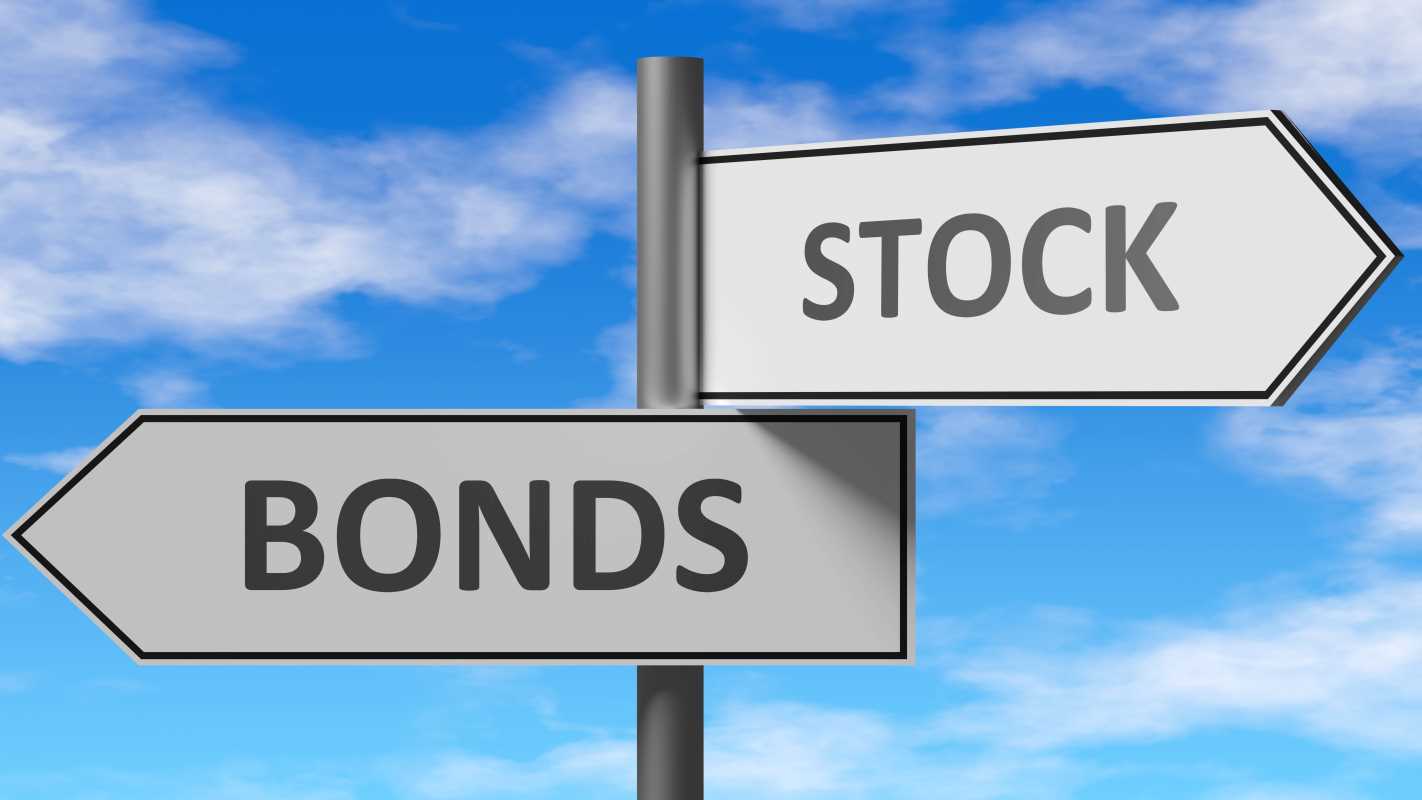
While the stock market often gets all the attention with its exciting climbs and dramatic drops, there's another crucial part of the investment world that operates on a much calmer and more predictable rhythm. This is the world of bonds. Think of investing like building a sports team. Stocks are your star strikers, capable of scoring big goals but also prone to risky plays. Bonds, on the other hand, are your steady, reliable defenders. They might not make the highlight reels, but they protect your portfolio and consistently get the job done. For investors looking to generate a steady stream of income with less risk, understanding bonds is an essential first step.
What Exactly is a Bond?
In the simplest terms, a bond is a loan. When you buy a bond, you are lending money to an entity, which could be a government or a corporation. In exchange for your loan, the issuer promises to pay you periodic interest payments, often called "coupon payments," over a set period. At the end of that period, known as the bond's "maturity date," the issuer repays the original amount of the loan, called the "principal," in full. So, you get your initial investment back plus a series of interest payments along the way. It’s a straightforward agreement that forms the foundation of income investing.
The Different Types of Bonds
Not all bonds are the same. They come in several different flavors, depending on who is issuing them. Government bonds, like U.S. Treasury bonds, are loans made to the federal government. Because they are backed by the full faith and credit of the government, they are considered one of the safest investments in the world. Municipal bonds, or "munis," are issued by states, cities, and counties to fund public projects like schools, roads, and bridges. Corporate bonds are issued by companies to raise money for things like building a new factory or funding research. They tend to be riskier than government bonds but usually offer higher interest rates to compensate for that risk.
Why Bonds are Considered Safer Than Stocks
The main reason bonds are considered safer than stocks is because of your position in the capital structure. If a company goes bankrupt, it must pay back its bondholders before its stockholders get anything. In many cases, stockholders end up with nothing, while bondholders can recover at least some of their principal. Furthermore, the returns from bonds are more predictable. You know the exact interest rate and payment schedule you will receive. Stock returns, on the other hand, are dependent on the company's future profits and the unpredictable swings of the stock market, which makes them far more volatile.
Understanding Bond Yields and Interest Rates
You will often hear the term "yield" when discussing bonds. A bond's yield is the total return you can expect to receive if you hold it to maturity. This is influenced by the price you pay for the bond and the interest payments it makes. Bond prices and interest rates have an inverse relationship, like a seesaw. When prevailing interest rates in the economy go up, newly issued bonds will offer higher interest payments. This makes older bonds with lower interest rates less attractive, so their prices fall. Conversely, when interest rates fall, older bonds with higher fixed payments become more valuable, and their prices rise.
The Risks You Should Know About
While safer than stocks, bonds are not entirely risk-free. One key risk is inflation. If the interest rate on your bond is 3%, but inflation is running at 4%, your investment is actually losing purchasing power. Another is credit risk, which is the danger that the issuer could default on its payments and you might not get your money back. This is a bigger concern with lower-quality corporate bonds. Finally, there is interest rate risk, as we just saw. If you need to sell your bond before it matures and interest rates have risen, you may have to sell it for less than you paid.
How to Evaluate a Bond
When you are looking at bonds, one of the most important things to check is their credit rating. Independent agencies like Moody's and Standard & Poor's evaluate the financial health of bond issuers and assign them a rating, similar to a grade in school. A triple-A rating is the highest and safest, while bonds with very low ratings are considered "junk bonds" because of their high risk of default. For a safer income strategy, it is wise to stick with bonds that have high credit ratings, known as "investment-grade" bonds.
A Simple Plan to Start Investing in Bonds
For most people, the easiest and most effective way to invest in bonds is through a bond mutual fund or an ETF. These funds hold a diversified portfolio of hundreds or even thousands of different bonds, which dramatically reduces the risk of any single bond defaulting. You can choose funds that focus on specific types of bonds, like U.S. Treasuries or investment-grade corporate bonds. This approach allows you to gain the stability and income benefits of bonds without having to research and purchase individual bonds yourself, making it a simple and responsible way to add a defensive layer to your investment portfolio.