.jpg) (Image via
(Image viaBanks are supposed to be a safe place to keep your money, but sometimes it feels like they are actively trying to take it from you. One of the ways they do this is through a minefield of fees. A few dollars here and a few dollars there might not seem like a big deal, but these small charges can add up to hundreds of dollars a year, quietly draining your account without you even noticing. These fees are essentially a penalty for not knowing the rules of the game. The good news is that once you learn what to watch out for, you can easily sidestep most of these pesky charges and keep your hard-earned cash where it belongs.
The Sneaky Monthly Maintenance Fee
One of the most common and annoying banking fees is the monthly maintenance or service fee. This is a flat amount the bank charges you each month simply for the privilege of having an account with them. It is like paying a cover charge just to get into a club you are already a member of. Thankfully, these fees are almost always avoidable. Most banks will waive the fee if you meet certain conditions, such as maintaining a minimum daily balance in your account or setting up a regular direct deposit from your employer. Online banks and credit unions are also great alternatives, as they often offer truly free checking accounts with no monthly fees and no strings attached.
The Dreaded Overdraft Fee
Overdraft fees are one of the most expensive penalties a bank can hit you with. This happens when you spend more money than you have in your checking account, and the bank covers the transaction for you. As a "favor," they then charge you a steep fee, which can be upwards of $35 for each transaction that overdraws your account. You could buy a $2 coffee and end up paying $37 for it. The best way to avoid this is to keep a close eye on your account balance using your bank’s mobile app. You can also link your checking account to a savings account for overdraft protection. If you overspend, the bank will pull money from your savings to cover it for a much smaller fee, or sometimes for free.
The Annoying ATM Fee
When you need cash fast, it is tempting to use the closest ATM you can find. But if that ATM is not owned by your bank, you are likely going to get hit with fees from two sides. First, the owner of the ATM will charge you a fee for using their machine. Then, your own bank will often charge you an additional "out-of-network" fee for not using one of their ATMs. These combined charges can easily cost you $5 or more just to withdraw your own money. The solution is to plan ahead. Use your bank’s app to find an in-network ATM near you. You can also get cash back for free when you make a purchase with your debit card at most grocery stores and pharmacies.
The Costly Foreign Transaction Fee
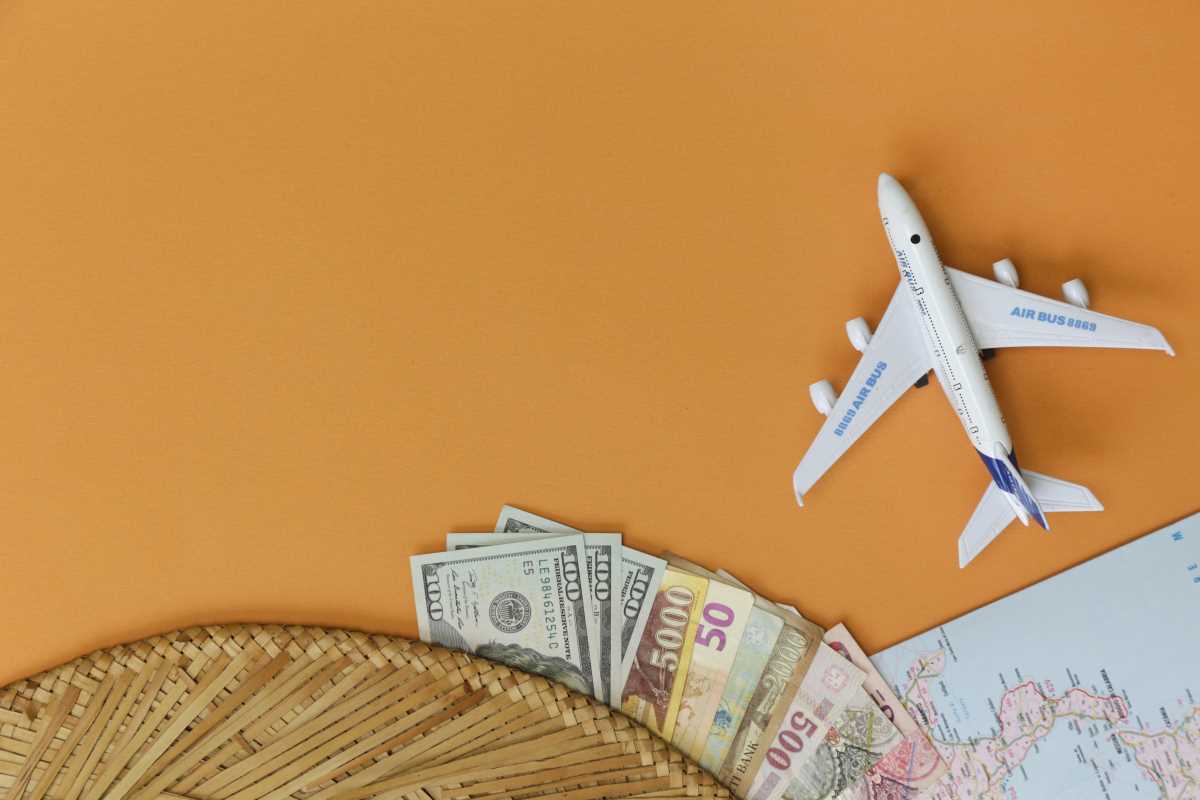
If you love to travel internationally or shop from websites based in other countries, you need to watch out for foreign transaction fees. Many credit and debit cards charge a fee, typically around 3% of the total purchase amount, for every transaction that is processed outside of the United States. This means that if you spend $1,000 on a trip, you could be paying an extra $30 in fees you did not plan for. To avoid this, look for credit cards that are specifically advertised as having no foreign transaction fees. Many travel-focused credit cards offer this as a key perk, saving you a significant amount of money when you are exploring the world.
How to Spot and Avoid Hidden Charges
Banks can be creative with their fees, so it is important to stay vigilant. Always take the time to read the fee schedule and account agreement when you open a new account. This document outlines every single potential charge. Look out for things like paper statement fees, which can be avoided by enrolling in e-statements, or account inactivity fees, which can be triggered if you do not use your account for a certain period. If you ever see a charge on your statement that you do not recognize, do not be afraid to call your bank and ask for an explanation. Sometimes, if it is your first time making a mistake, they might even agree to waive the fee as a courtesy.